
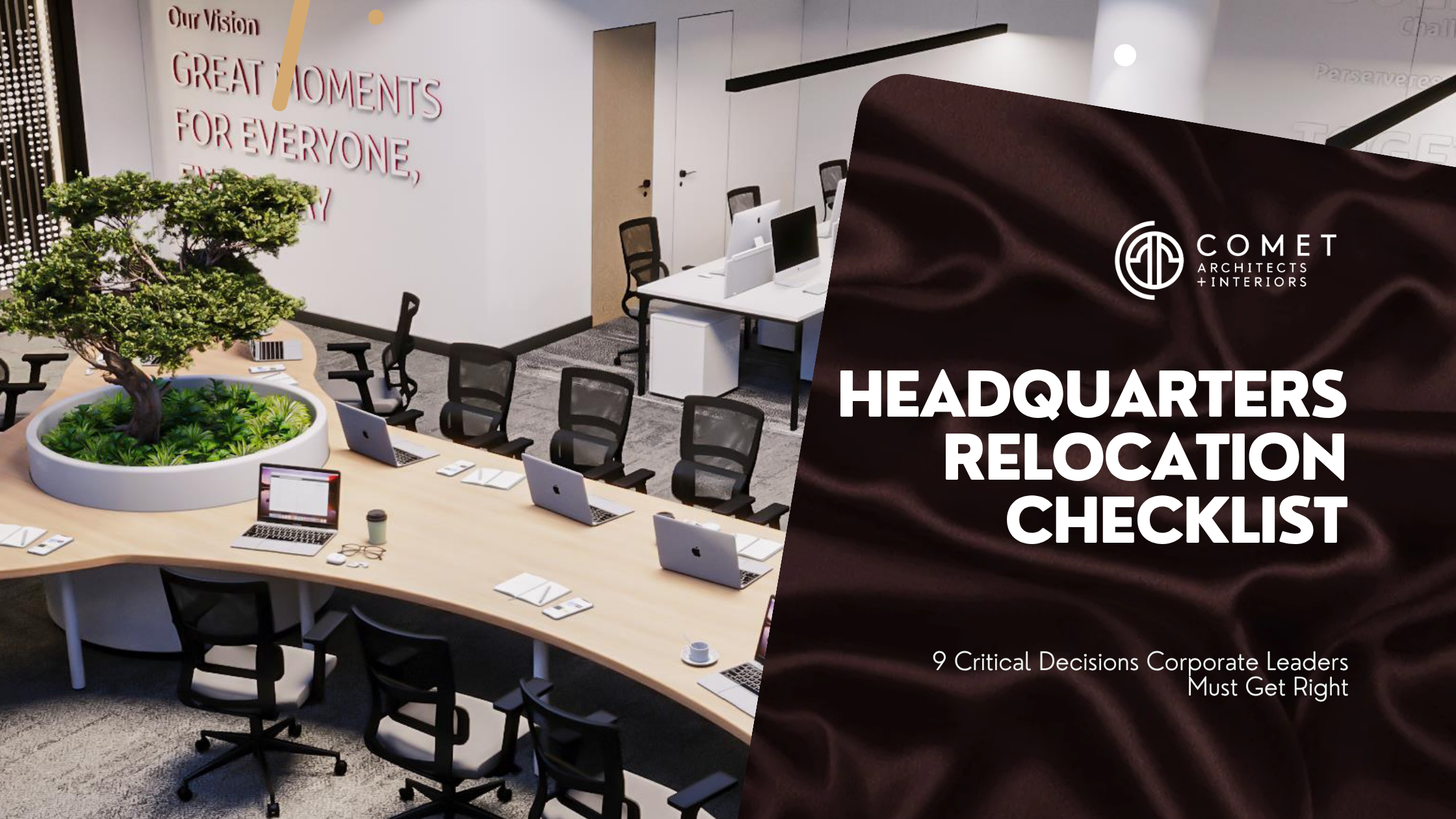
HQ Relocation Checklist: 9 Critical Decisions Corporate Leaders Must Get Right
HQ relocation is not just a move—it’s a business reset.
For corporate leaders, relocating a headquarters affects operations, culture, productivity, and long-term growth. Yet many relocations fail to deliver expected outcomes—not because of budget or location, but because key decisions are overlooked early.
A successful HQ relocation requires aligning space planning, employee experience, operational flow, and future scalability—not just selecting a new office.
This checklist breaks down the critical decisions that define whether an HQ relocation performs… or creates long-term friction.
1. Define the Business Objective Behind the Move
Before evaluating locations or layouts, the most important question is: why relocate at all?
HQ relocation typically falls into one (or more) of these drivers:
- Expansion and team growth
- Operational inefficiencies in the current space
- Brand repositioning
- Talent attraction and retention
- Cost optimization
Without a clearly defined objective, decisions become reactive rather than strategic.
For example, a company relocating due to rapid growth needs a layout that accommodates scalability without constant reconfiguration. In contrast, a company relocating due to inefficiency must focus on optimizing workflows and eliminating wasted space.
A relocation driven by growth requires scalability.
A relocation driven by efficiency requires workflow optimization.
The objective should not remain a general statement. It must translate into measurable priorities, whether that is improving space utilization, reducing operational delays, or enhancing employee experience. Without this alignment, design decisions risk becoming aesthetic rather than functional.
2. Evaluate Space Efficiency, Not Just Size
A common misconceptions in HQ relocation is that more space automatically leads to better performance. In reality, poorly utilized large spaces can introduce more inefficiencies than smaller, well-planned environments.
One of the most common mistakes in HQ relocation is prioritizing square meters over space utilization.
A proper evaluation begins with understanding how the current office is used. This includes analyzing occupancy patterns, meeting room demand, and how teams move throughout the day. Often, organizations discover that a significant portion of their space is either underused or used incorrectly.
This insight allows leaders to focus on:
- Desk occupancy rates
- Meeting room usage vs. demand
- Circulation and movement patterns
- Dead zones or underutilized areas
Efficient layouts reduce unnecessary expansion costs while improving day-to-day operations.
3. Plan for Different Work Modes
Modern workplaces are no longer built around a single way of working.
An effective HQ relocation must support:
- Focus work
- Collaboration
- Informal interaction
- Private calls and meetings
Spaces should be zoned accordingly—not blended randomly.
Poor zoning leads to:
- Noise conflicts
- Reduced productivity
- Overused meeting rooms
The solution lies in zoning. Different work modes should be clearly supported through dedicated areas, each designed with its specific function in mind. This allows employees to move between environments based on their tasks, rather than forcing all activities into a single type of space.
Without this structure, workplaces tend to develop imbalances, overcrowded meeting rooms, noisy work areas, and underutilized zones that fail to serve a clear purpose. Good zoning creates balance.
4. Integrate Wellness Into the Workplace Strategy

Wellness is no longer a secondary feature, it directly impacts performance and retention.
In modern HQ relocation strategies, wellness appears in multiple forms:
- Access to natural light
- Acoustic comfort
- Ergonomic furniture
- Dedicated wellness areas
5. Consider Employee Experience as a Performance Metric
An HQ relocation succeeds when it improves how people interact with their environment. Employee experience is not an abstract concept; it is reflected in daily actions, how easily people find spaces, how comfortable they feel, and how effectively they can perform their tasks.
Poorly designed workplaces introduce friction. This can appear in small but consistent ways: difficulty finding available meeting rooms, lack of informal spaces for quick discussions, or environments that feel disconnected from team needs.
A well-designed workplace removes these obstacles. It allows employees to navigate spaces intuitively, access the environments they need, and maintain a sense of comfort throughout the day.
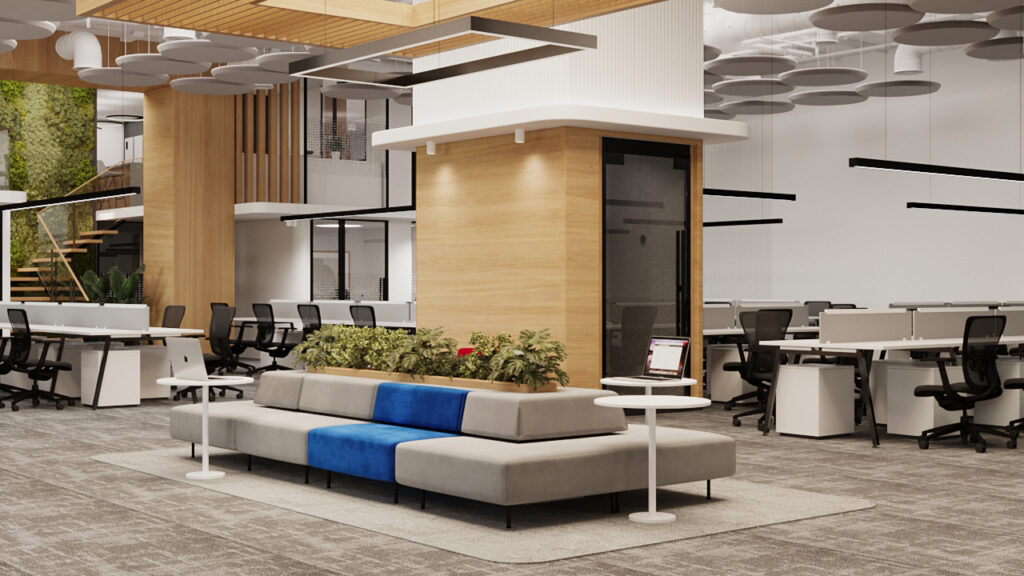
When employee experience improves, the impact becomes visible in collaboration, engagement, and overall performance. When it is ignored, even well-designed spaces can feel inefficient.
6. Align Brand Identity With the Physical Space
An HQ is a physical representation of the company’s identity. Clients, partners, and employees all interact with this space, forming perceptions based on what they see and experience.
The design should reflect:
- Brand values
- Industry positioning
- Culture and tone
This does not mean applying branding elements superficially, but rather ensuring that the overall environment communicates the right message.
Material choices, spatial organization, and the balance between openness and privacy all contribute to how the brand is perceived. A mismatch between identity and space can create confusion, while a well-aligned environment reinforces credibility and consistency.
7. Plan Circulation and Movement Flow
Movement is a critical but often overlooked factor in HQ relocation. How people move between spaces affects efficiency, communication, and overall workflow.
Poor circulation leads to:
- Congested pathways
- Disruptions in workflow
- Reduced efficiency
Well-planned circulation ensures:
- Smooth transitions between zones
- Clear navigation
- Logical placement of departments
When circulation is well-designed, it becomes invisible. When it is not, it becomes a constant source of inefficiency.
8. Design for Flexibility and Future Growth
A headquarters should not be designed only for current needs. Business structures evolve, teams expand, and work models continue to change. A rigid layout quickly becomes outdated, requiring frequent adjustments.
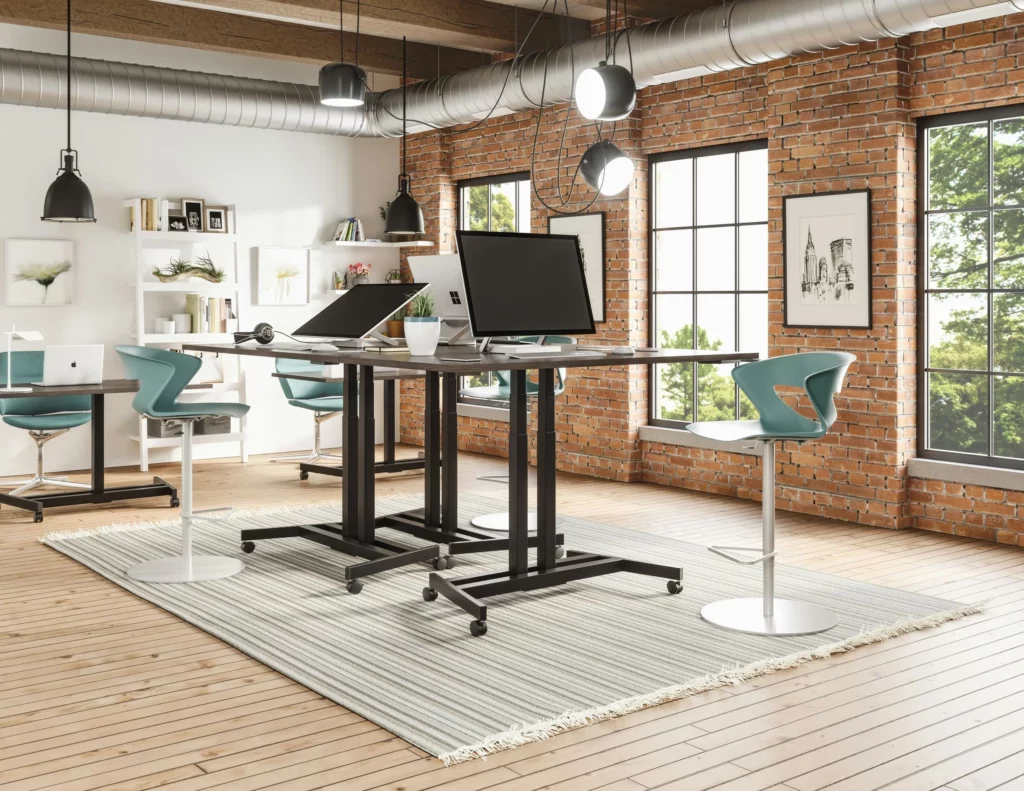
Flexibility allows the workplace to adapt without major disruptions. This can be achieved through modular furniture, adaptable layouts, and multi-functional spaces that serve different purposes over time.
Planning for growth does not necessarily mean allocating excess space. Instead, it involves creating a system that can accommodate change efficiently. This ensures that the workplace remains relevant and functional as the organization evolves.
9. Balance Aesthetics With Operational Function
A visually appealing office is not enough.
Visual quality plays an important role in workplace design, but it should not override functionality. An HQ relocation that prioritizes aesthetics without considering operations may result in a visually appealing space that does not perform effectively.
Every design decision should answer:
- Does this improve workflow?
- Does this support employee needs?
- Does this enhance performance?
Every design decision should be evaluated based on its impact on daily use. Materials, layouts, and features must support workflow, not complicate it. Storage should be accessible, meeting spaces should be appropriately sized, and work areas should align with actual usage patterns.
When aesthetics and function are balanced, the result is a space that feels cohesive and performs efficiently. When they are not, the workplace may require constant adjustments to compensate for design shortcomings.
Conclusion
HQ relocation is one of the few opportunities organizations have to reshape how they operate at a fundamental level. It is not simply about moving into a new space—it is about creating an environment that supports performance, aligns with business objectives, and adapts to future needs.
The difference between a successful relocation and a problematic one lies in the decisions made early in the process. Clear objectives, efficient planning, and a focus on how the space will be used determine whether the new headquarters becomes an asset or a constraint.
When approached strategically, it becomes an opportunity to:
- Improve performance
- Strengthen culture
- Support long-term growth
When handled without alignment, it creates inefficiencies that last for years.
The difference lies in the decisions made early.
CTA
If you’re planning an HQ relocation, the approach matters more than the move itself.
Visit cometarch.com to explore how workplace design can support performance, efficiency, and long-term business outcomes.
Or connect with our team to start planning your next workspace.